After I planted the variety of Prunus Plants (Cherries/Plums/Apricots) that I did… I discovered the extent of “wild” choke cherry that the birds had so kindly planted around my horse’s old pasture.
And then in the fall of 2019, while walking around with my Dad checking the trees and seeing what else he’ll let me sneak in… I discovered the wide spread black knot problem on those wild choke cherries.
Face Palm.
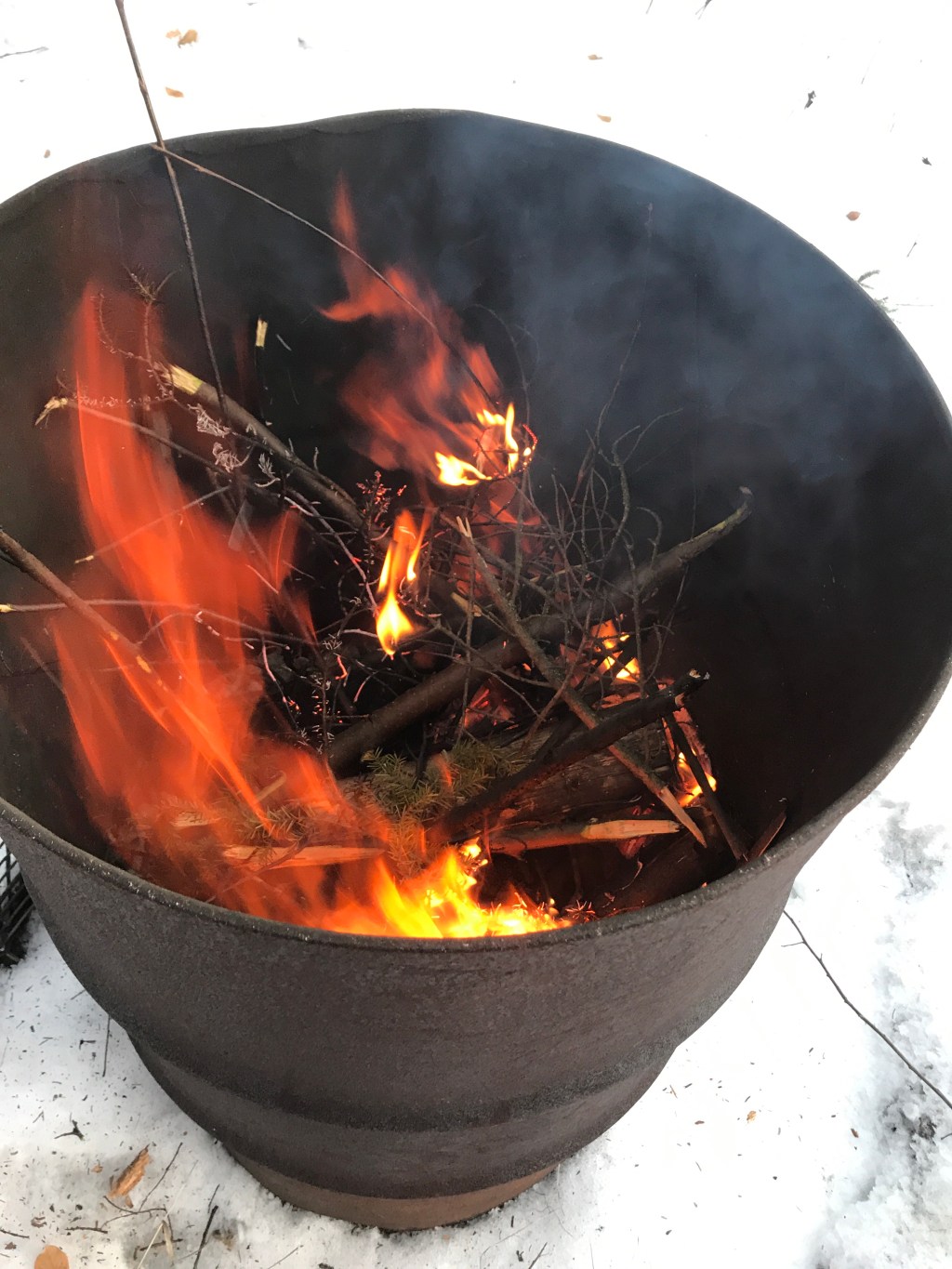
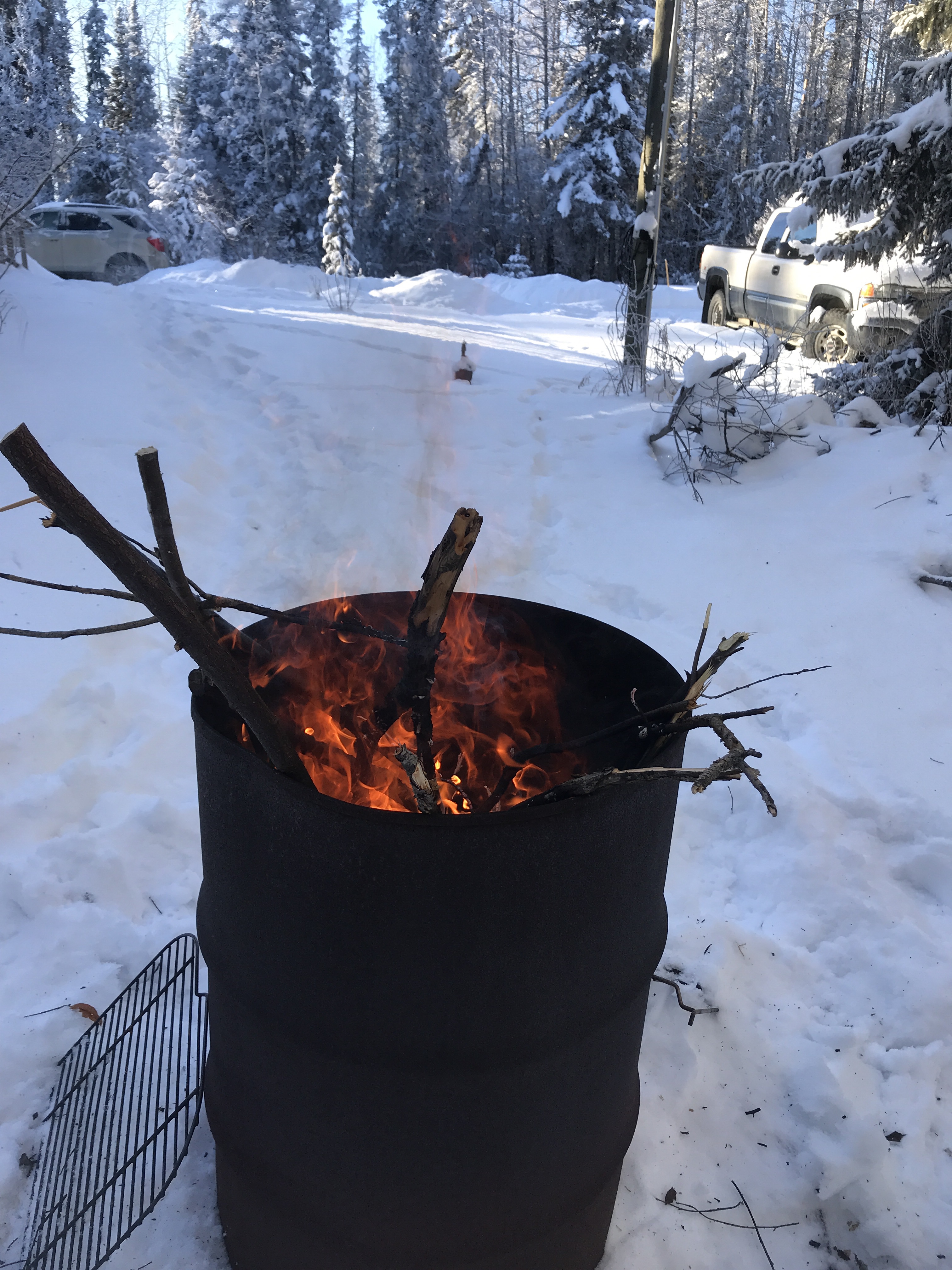
So this winter whenever I visited my parents, I also visited the black knot infected trees with my saw and gave them a fire-y send off.
Now that I’ve seen it, I see it EVERYWHERE.
Also, At some point this year, I will do an updated “Orchard” post or postS, because there have been many introductions since my first few posts about the new fruit trees and I didn’t realise it until I tried to link to some of the trees for this post.

So What is Black Knot?
- It is a widespread fungal disease throughout Alberta that affects Prunus (Other parts of North America and possibly the rest of the world as well, but I’m not sure on where. Comment below if you know, because I would love to learn more about this).
- It isn’t harmful to animals or humans.
- The primary concern is crop reduction or loss and/or aesthetics, depending on the plant affected
- The Fungus is called: Apiosporina morbosa
- Since there is no reliable spray type control… The best course of action for control, is to inspect your trees and remove. Do not try to compost the branches as this will not kill the fungus. You can either bury, burn or bag the branches. I chose burn, because that was our best course of action when its -20 C outside and there was no way to dig a big hole… And I don’t feel right about throwing infected branches into a plastic bag and adding it to the landfill. Call an arborist, or talk to a professional if you are unsure of anything.
- I am going to add a bunch of links at the bottom of this post to more thorough and specific info on black knot.



So here are the links so you can learn more. I urge you to learn more and try and take care of any black knot you may be responsible for to help reduce the spread of this fungus. It is still a good time (around here at least) to get out and take care of any black knot before the warm, wet spring shows up and the fungus starts to spread further.
- Planet Natural. This one is great. Lots of good info here, and I definitely recommend checking this one out.
- Alberta.ca – Good Breakdown and local info on how to recognise and deal with Black Knot
- Ohio State University Online Extension: This is a good one to understand the disease cycle of Black knot
- University of Minnesota Extension: Another good all round source of info on this disease
- Wikipedia: Good for going down the internet rabbit hole of casual research.
- A Video from Alberta Ag & Forestry.



 The Crafty Cultivator
Leave a comment