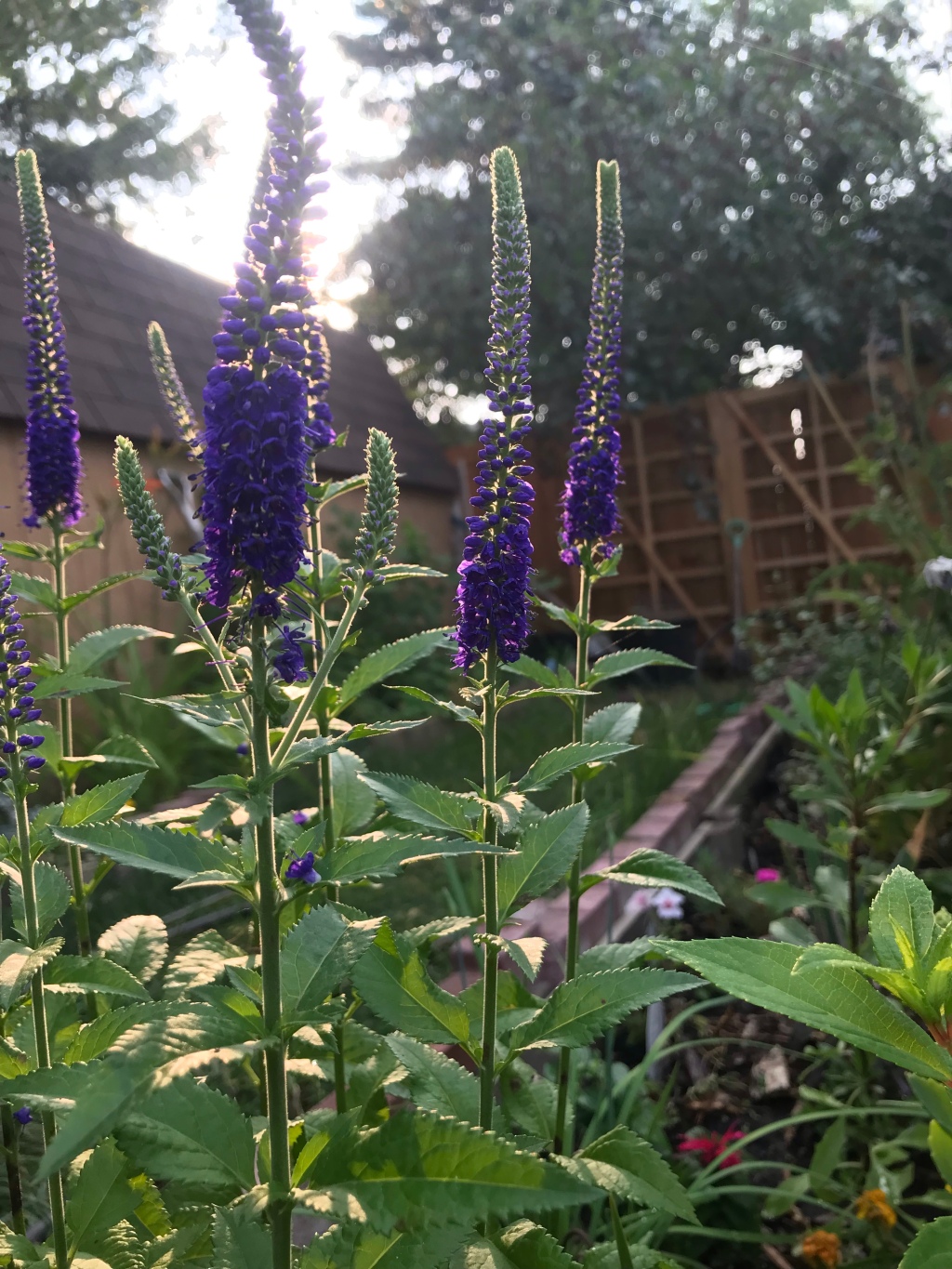
One of the most common questions I get at my garden center job, is
“I’m new to this, how do I keep this thing alive.”
Plants, like other living things, need just a few basic things and it is honestly best to not over complicate it as you start out. Sun, Water and Soil are your main concerns. If you have any questions, throw them down in the comments and I’ll do my best to try and help you out.

Lets talk about Sun first:
Pretty much every plant you buy (with maybe the exception of tropical house plants) will come with a tag that tells you what sun requirements your new plant will need. But know there is always some wiggle room with this. Lilacs are said to need full sun, but I have one that gets only dappled sun and is basically in shade for most of the day. It doesn’t bloom like it would in the full sun, but it hides an ugly corner of the yard with beautiful foliage and occasional blooms.
Learn your space and where the sun hits. This is going to change throughout the year, especially the more north you get. Look into trees or buildings that are going to cast shade, and try and learn how long the area is in shade.

Water
Think about how you are going to water your plants. Or If they actually NEED to be watered. If you don’t want to have to water your plants (you may need to as they are establishing themselves in their new homes), look into native (to your area) plants and do some research into xeriscaping. Or if it is just the act of watering that you are hoping to avoid, look into setting up drip irrigation. Personally, watering is one of my favorite Zen-type activities and while I like the convenience aspect of irrigation, I look at watering as some time to just zone out and clear my head.
Look for big trees and other established plantings that will steal water from the new plants. Big culprits in our area are Spruce and Poplar trees.
Another thing to look at, is more wet areas; places where water might gather or pool, or otherwise just naturally occur. For ground like this, you want to choose plants that can handle the extra water. Your local garden center can usually help you chose appropriate plants for really wet areas. The easiest solution I can mention right now is Willows, there is a wide variety of them (and not all of them like to have “wet feet”).
Soil
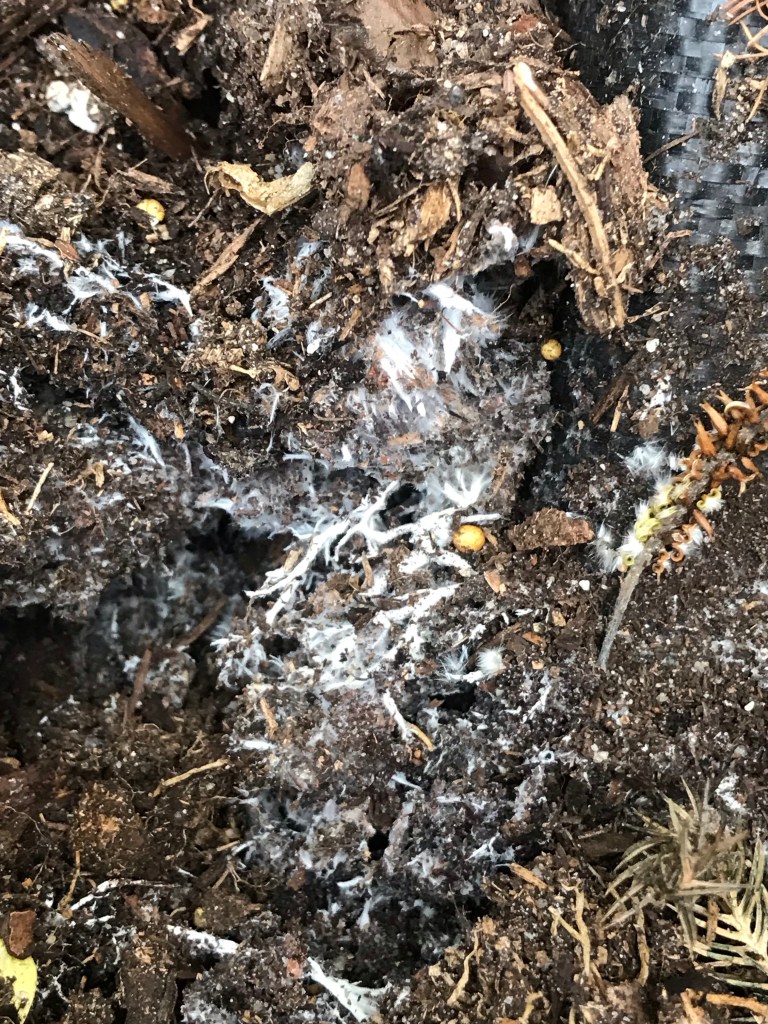
Soil can get really complicated and I could honestly talk all day about building soil, it is a fascinating aspect, but in the interest of keeping this simple, I am just going to touch the basics. Different areas have different soil. Around Calgary, we typically have alkaline, clay based soils. This is not necessarily a bad thing, but you do need to chose plants that can thrive in this environment as you build up your soil. A lot of people think that scraping the natural top soil away and bringing in completely new soil will fix this. It is a temporary solution to the ph and clay, but will actually cause more problems in the long run. Your best bet is to add compost and organic matter and gradually build up the soil to something more conducive to the life it will be supporting. I would also suggest looking at the benefits of the type of soil you have as well. We tend to focus on the problems of clay, but it also holds a bunch of nutrients. Learning about the merits of the base soil you have instead of just focusing on the problems will help you as you build the soil up and help return life back to it.
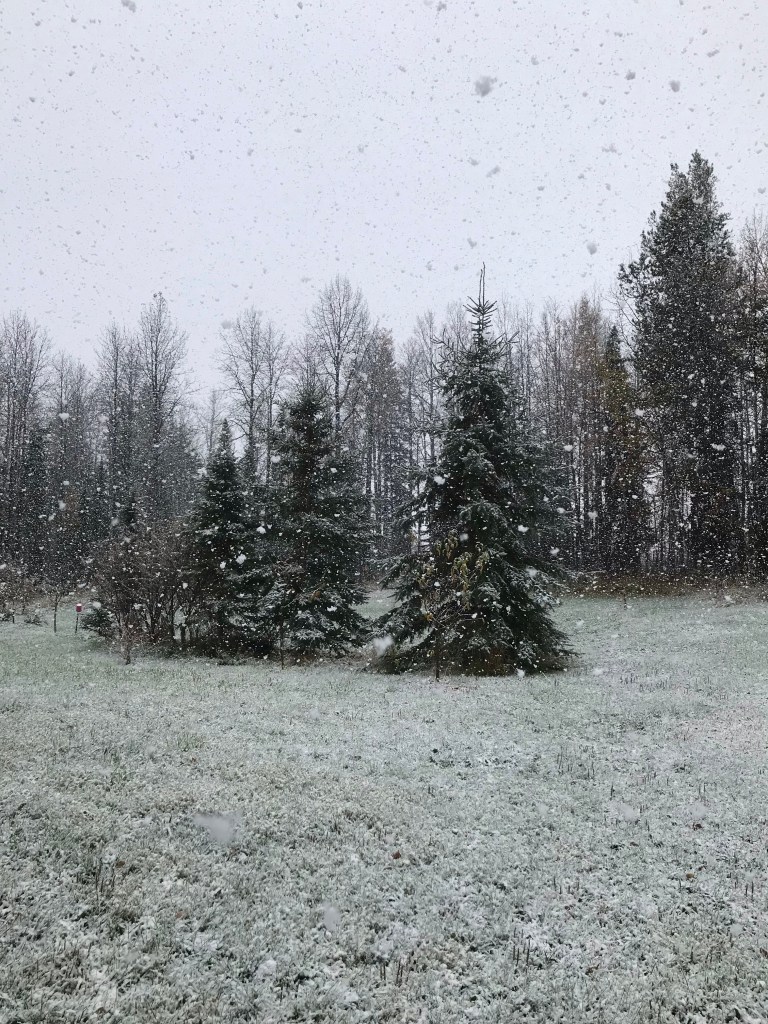
One last topic I want to quickly touch on is Zone. A lot of people tend to focus on only growing plants that are rated for their zone. Which is a mostly safe bet. But if you aren’t meeting the basic needs of the plant to begin with, it might not thrive regardless of it being super cold hardy. With new plants, growers tend to not be very generous in their zoning as well. There are plenty of ways you can “extend” your zone if you want to try something borderline as well.
Like I said above, if you have any questions, Pop them in the comments below and I’ll do my best to help.



 The Crafty Cultivator
Leave a comment